
Worked on five different projects (starting three of them) over less than a week. Didn't finish anything, I usually work in bursts.
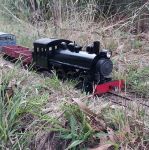
An IP Eng. Simplex kit was one of them. In time, this will be one of two shunters for my mill yard.
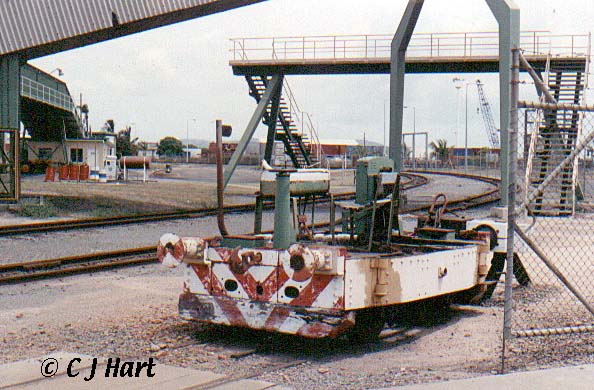
They were also used on navvy duties, a few having previously spent time on the Western Front. Here's a former (either) protected or armoured turtle, in use as a brake wagon in 1990! I don't know what became of it.
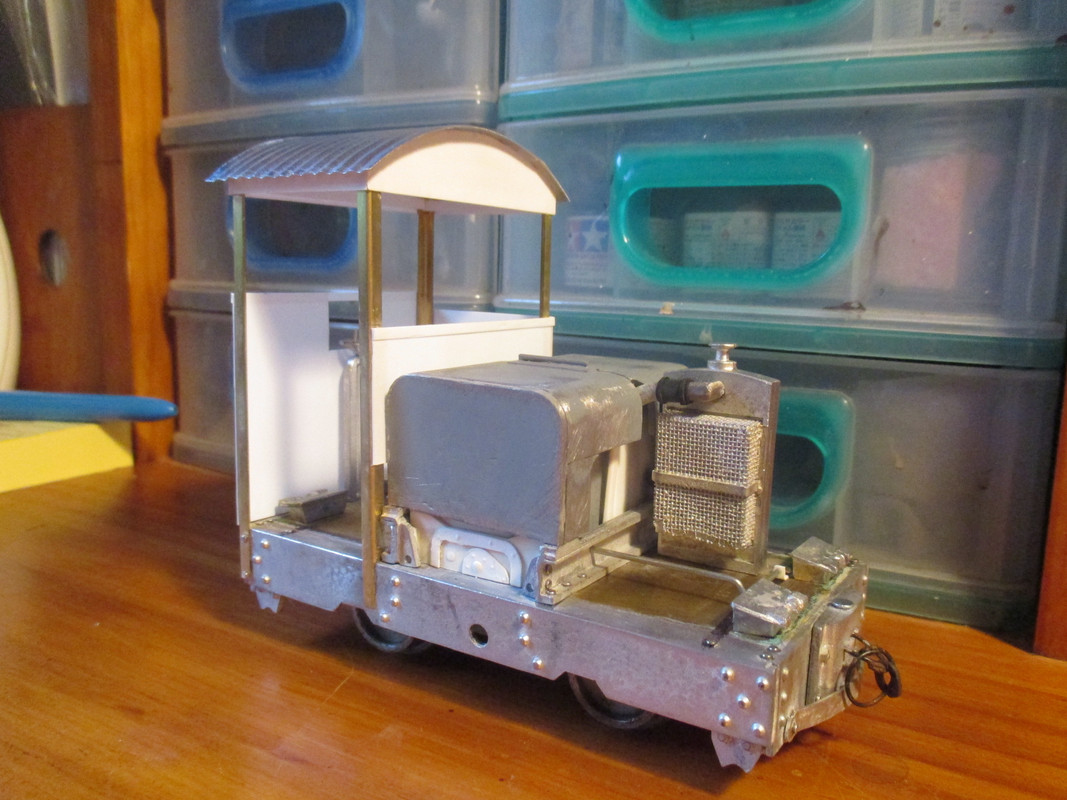
In any case, this 16mm kit will get a home-brew cab with headlights fore and aft, befitting a loco expected to work almost 24/7, rain or shine for the 6 month crushing season.
24/11/23
Starting with the customary "kit contents" image.
I was going to try soldering this kit together, even going so far as to have bought two different low-melt solders, a variable-temperature iron and a dedicated tip for said solder. I realised however that I had bought a 48W iron, and probably needed something much stronger for a 16mm whitemetal kit. So glue, it is.
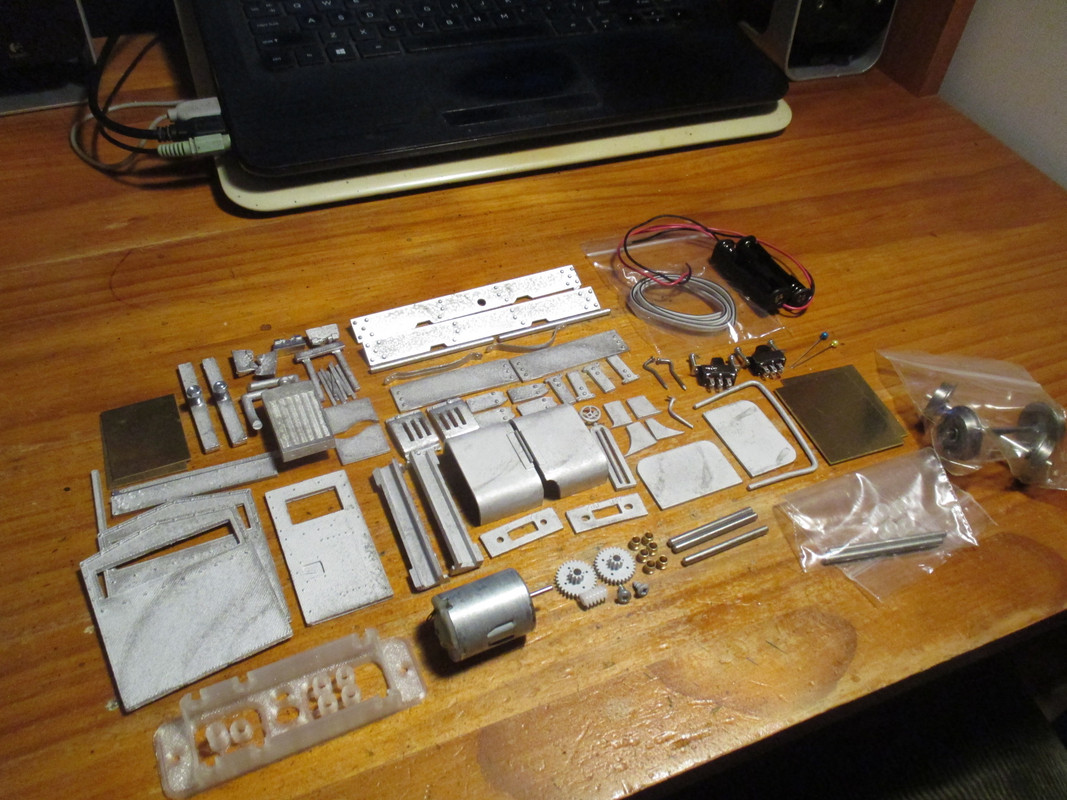
The chassis for these locos are 3D-printed nowadays, rather than the U-shaped steel chassis of the past. I think it's a good use of the technology.
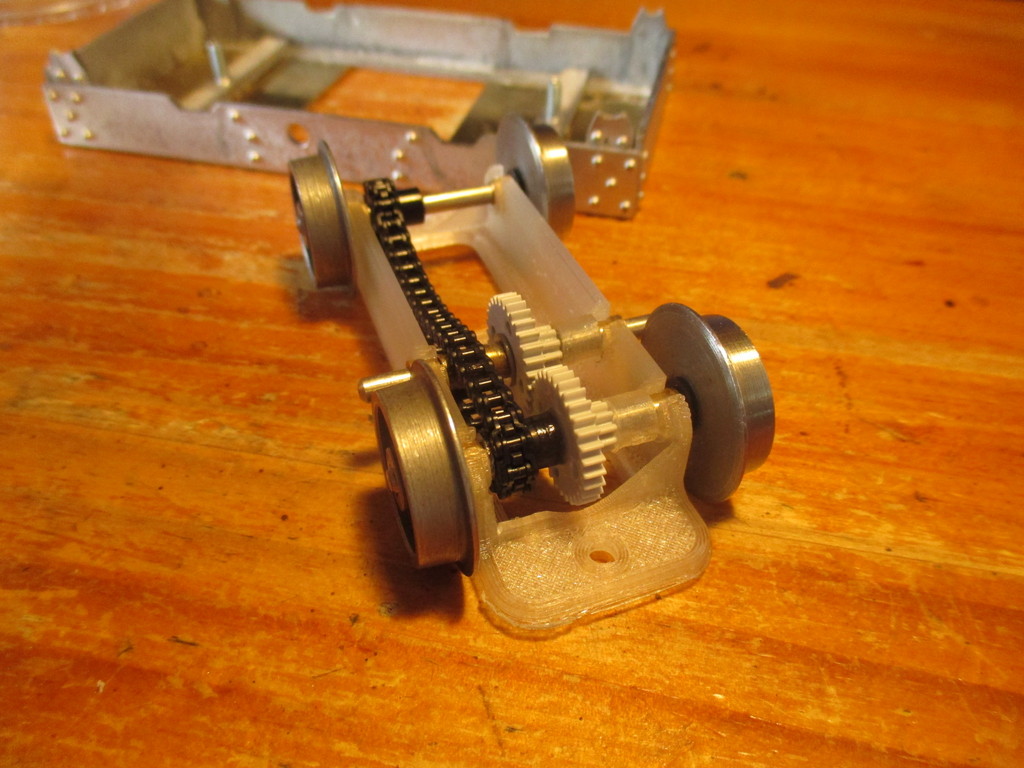
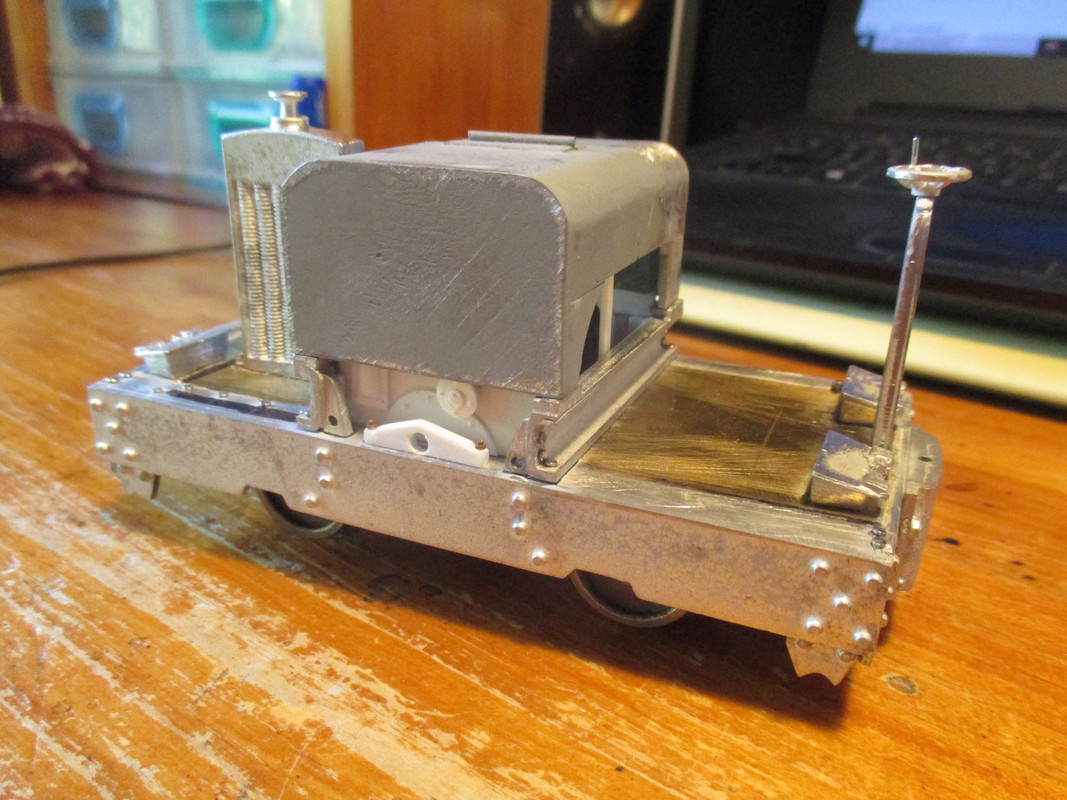
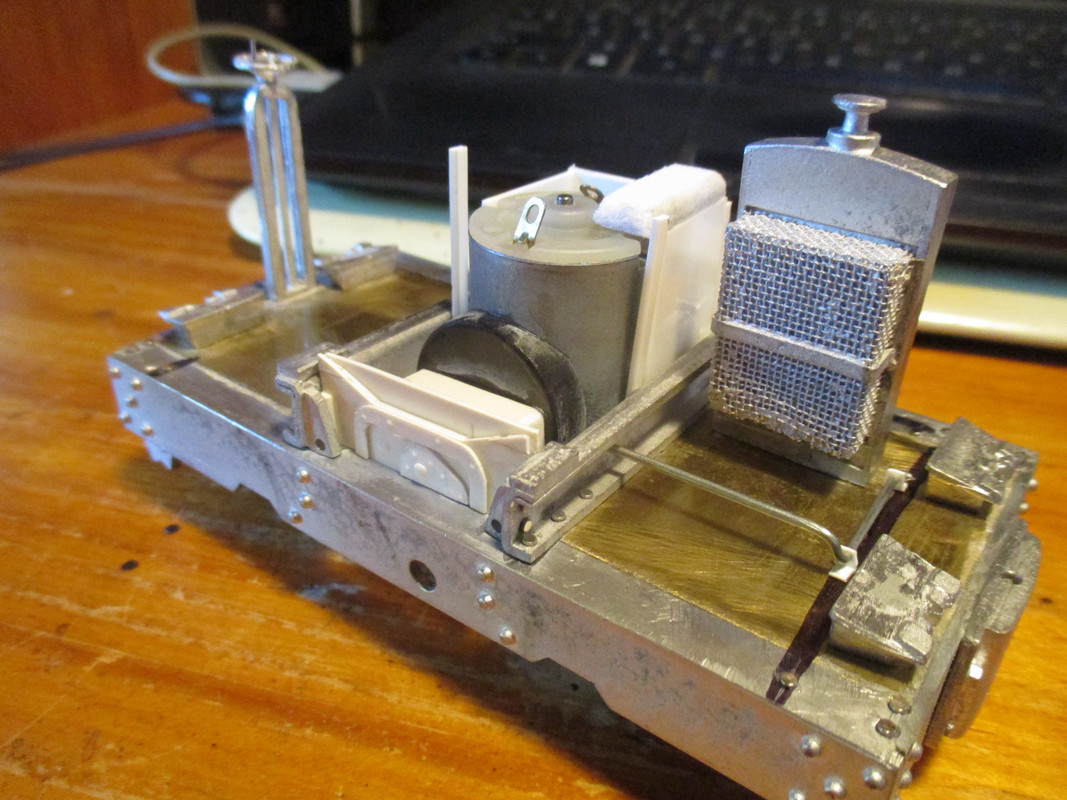
They take more work to convert to 4WD. The printed gussets at front and rear needed trimming to clear the added delrin sprockets.
And the printed jackshaft spacer was replaced with a thinner-walled brass tube to clear the chain running past. Not a complaint, just "wot I done".
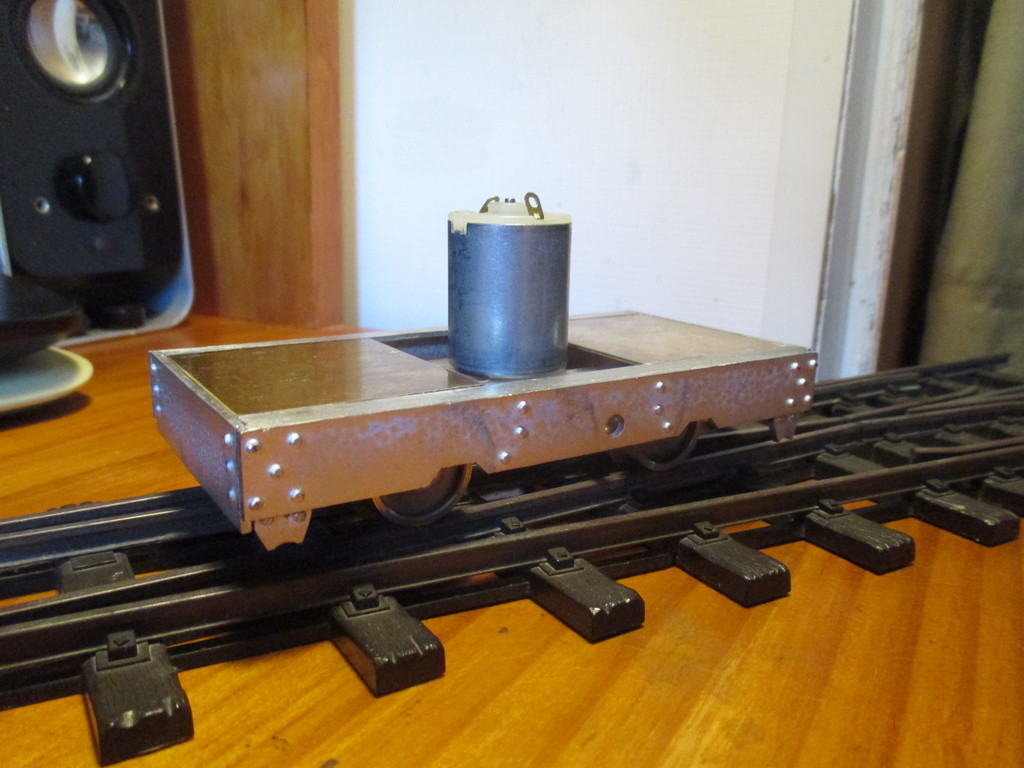
The frame castings needed minimal cleanup, mainly along the top edge of the frame plates where the mould halves were mis-aligned. Epoxy, tacked with superglue was used. Extra reinforcing with cheap 4mm ABS angle was later fitted over the joints.
With a little plastic-compatible grease on the gears and a touch of oil in the bushings, the chassis runs smoothly and reasonably quiet.






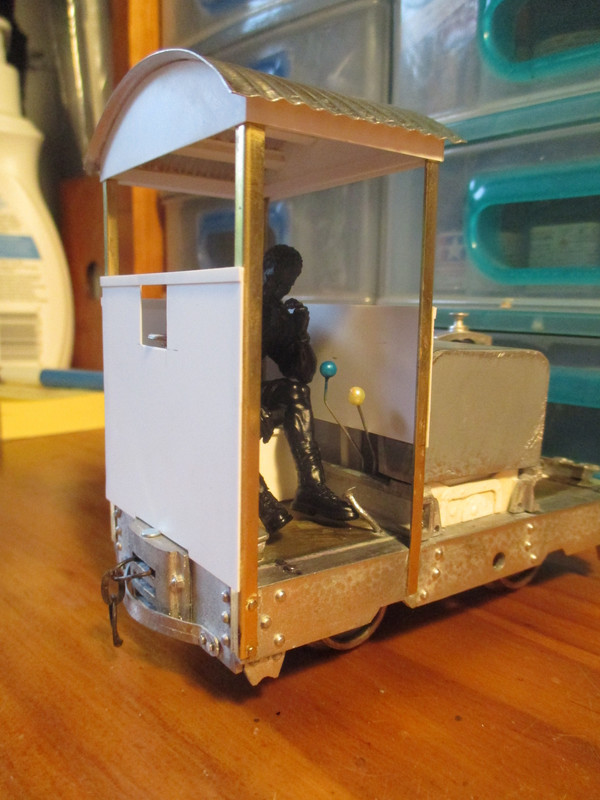
 The pins look great as levers, I'll remember that!