Improving Mamod cylinders.

Discussion of Live Steam locomotives should be located here
Post Reply
User avatar
Tony Bird
Trainee Driver
Trainee Driver
Posts: 601
Joined: Thu Jul 29, 2010 8:25 am
Location: Cardiff, South Wales, UK.

Improving Mamod cylinders.

Post by Tony Bird » Sat Dec 10, 2016 5:09 pm

Hi,

This is a thread that I have just started on another forum, I hope that it is found appropriate as it partly concerns work being done on Mamod cylinders to improve their performance. It might be found interesting if someone is considering making a De Winton style locomotive using Mamod type cylinders.  Please delete if this thread if it isn’t suitable for this group/forum.

Hi,

A little while ago I did a thread on a steam powered model paddle boat seen here on the pond at Winterbourne earlier this year.

A video at:  https://youtu.be/ZgTk3ePlhjE

<iframe width="560" height="315" src="https://www.youtube.com/embed/ZgTk3ePlhjE" frameborder="0" allowfullscreen></iframe>

I am sorry neither of these links seem to work.

I was quite pleased with the performance of the model which uses one single acting oscillating engine driving through a gear box to power it.  It is quite exciting to control using rudder only and not being able to stop start or go backwards.  Some time ago a friend gave me a lot of Mamod and replacement Mamod cylinders that are used on their locomotives; he said that he couldn't get them to work very well.  So I thought I would try and get the cylinders to work and use them to make a prototype twin cylinder engine that would start, stop and reverse.  I suspect the cylinders will be too powerfully for the small hull on the paddle boat but if I am happy with the results I can always make an engine with smaller cylinders.  The gear box to be used is the same design as is used in the paddle boat but with a lower gear reduction of 12:1 rather than 18:1.

The cylinders were taken apart.

Image

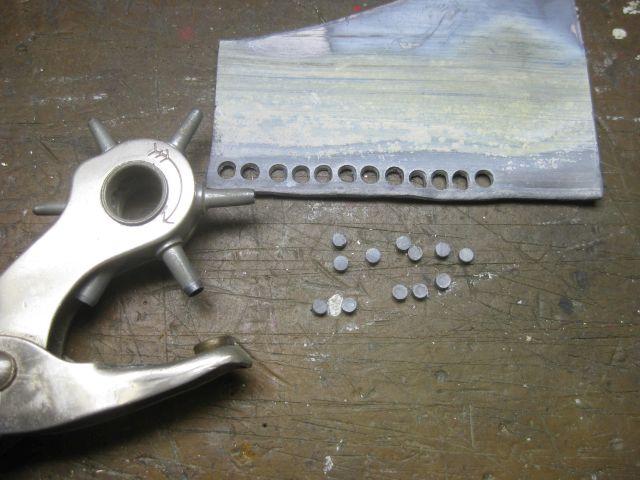
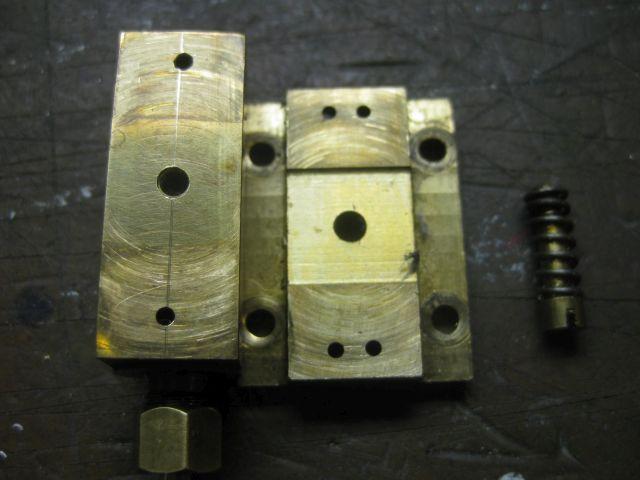
One of the problems with the cylinders is that the steam ports are not in line with the cylinder bore.
Image

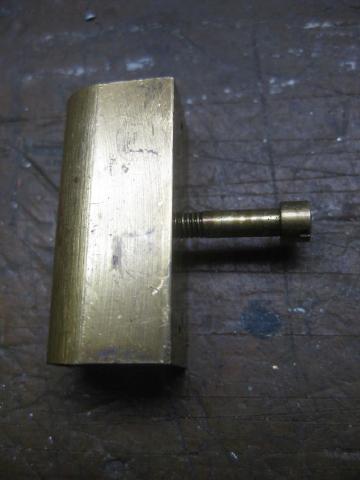
Another problem was that the cylinder rocked on the exposed thread of its screw.
Image

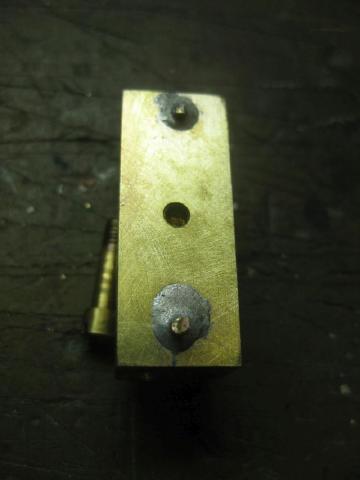
These problems were addressed by plugging the steam ports.
Image

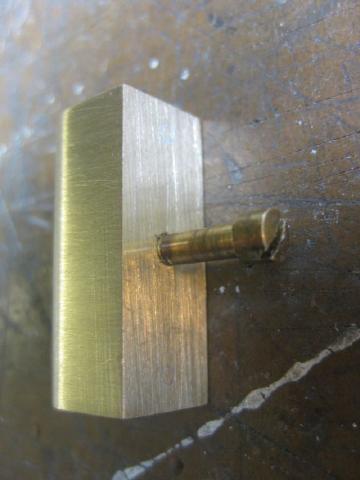
And shortening the trunnion screw.

Image

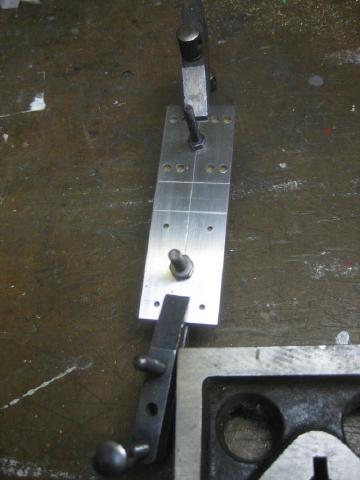
As to the design of the marine engine i.e. 'V', in-line or horizontal twin it was first decided to try an in-line engine as it would be easier to incorporate a reversing throttle valve, I believe Mamod have already made a similar one.  In days gone by when Mamod locomotives were one of the very few commercially available model steam engines a vast numbers of ideas were tried to improve their performance.  One of the things I did was to make a frame jig that could be used to make new frames and modified frames.  This jig I used to make another jig to make the frames for the marine engine.

Image

The jig in use to make the engine frames.
Image

The result.

Image

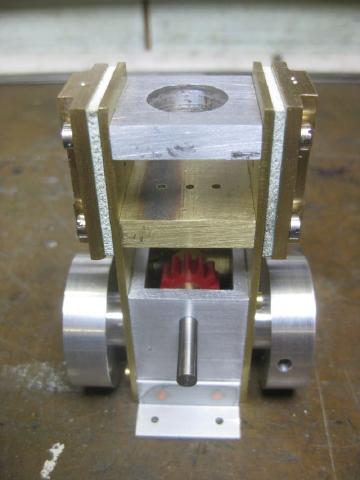
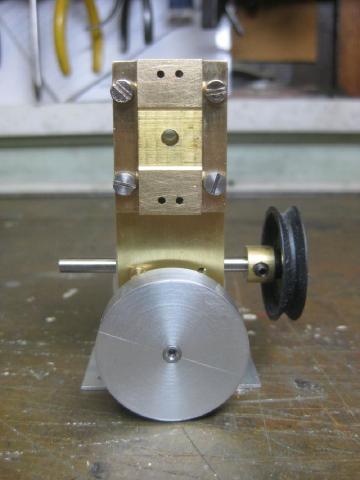
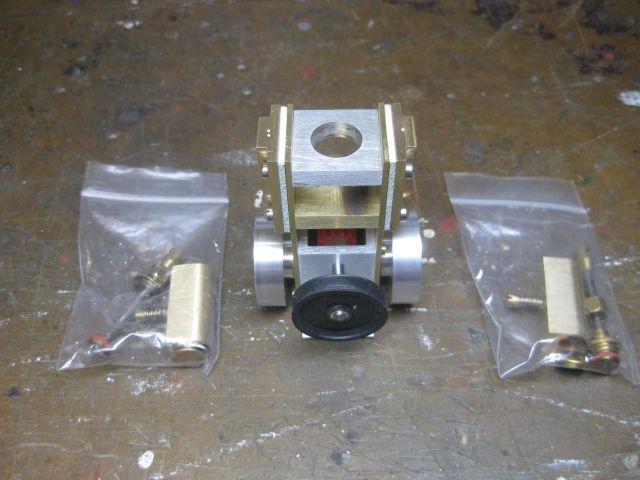
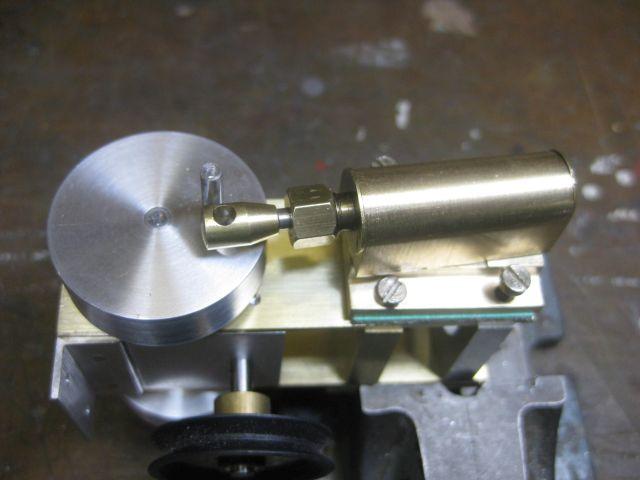
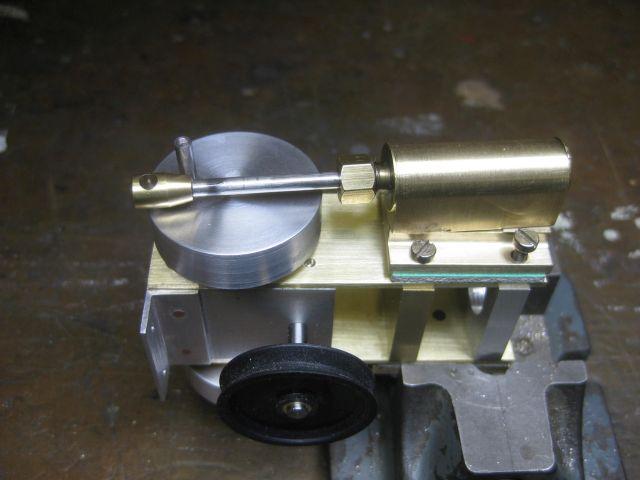
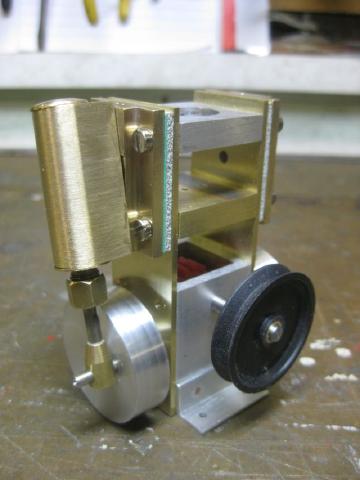
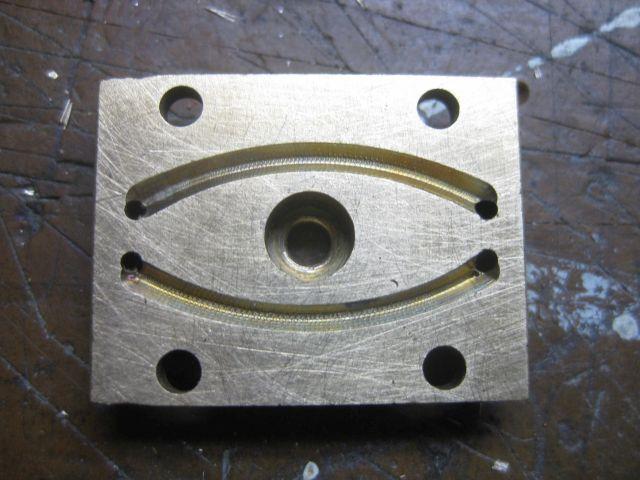
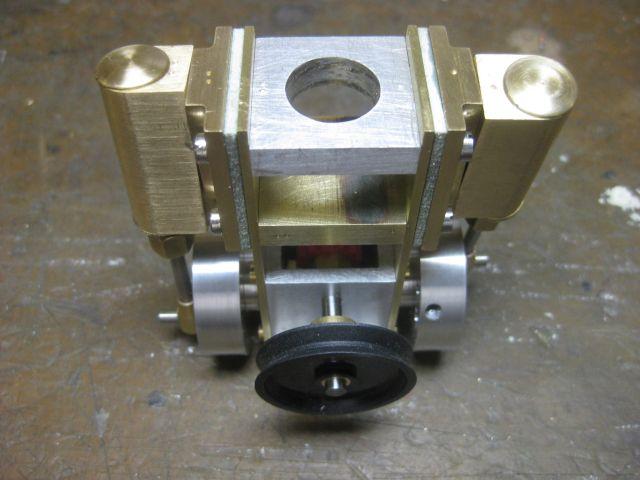
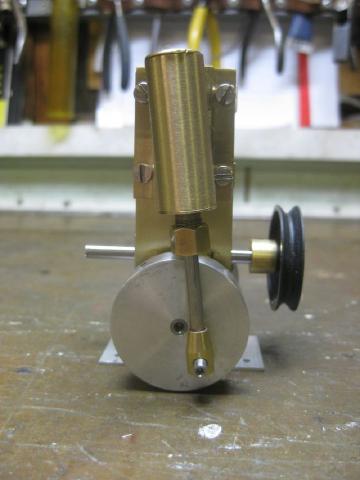
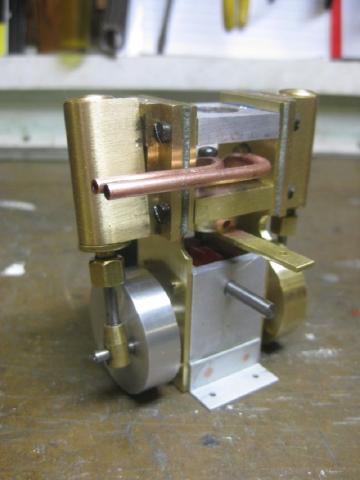
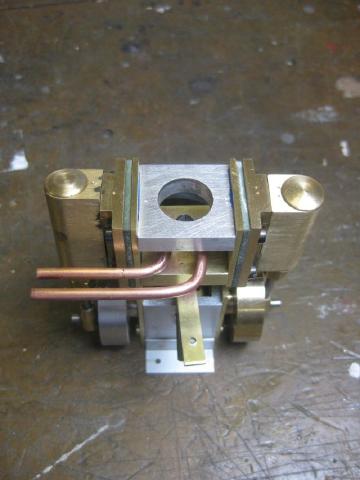
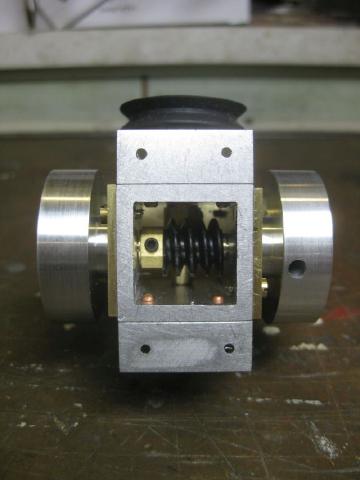
The frames with a part made reversing valve between them have been fitted to the gear box.  The port blocks have been fitted to the frames and a pair of flywheels made; which is the stage the engine is at the moment.  The pulley is for a belt drive to the paddle axle.
Image
Image
Image
Image

The next job will be to fit crank pins and check the positions of the ports in the port block.

Regards Tony.

User avatar
LNR
Driver
Driver
Posts: 1886
Joined: Sat Feb 27, 2016 5:26 am
Location: Melbourne, Australia

Post by LNR » Sat Dec 10, 2016 9:41 pm

Looks like another great little project Tony, I like your use of square/rectangular hollow section aluminium. So handy for forming all sorts of box type structures. I've often thought an inverted vee type oscillator would be quite prototypical for a paddler, as they actually built some that way.
Grant.

11thHour
Trainee Fireman
Trainee Fireman
Posts: 117
Joined: Mon Mar 26, 2012 4:00 am
Location: Wodonga, Vic. Land of Oz

Post by 11thHour » Mon Dec 12, 2016 3:56 am

Hi Tony,

As someone who has never owned an oscillating engine, so I make no pretence of knowledge, is it possible that the 'steam ports are not in line with the cylinder bore' in an attempt to get some lead on the steam admission / exhaust in the forward direction?.

Looking forward to this post and it's conclusions!

Tim

User avatar
Tony Bird
Trainee Driver
Trainee Driver
Posts: 601
Joined: Thu Jul 29, 2010 8:25 am
Location: Cardiff, South Wales, UK.

Post by Tony Bird » Mon Dec 12, 2016 6:10 pm

Hi Tim,

Yes if the engine was a high speed and going in one direction it might have lead on its porting and probably be a uniflow i.e its exhaust exiting at the bottom of the stroke. These double acting engines are designed to be slow running in both directions.

I did some more work on the engine today.

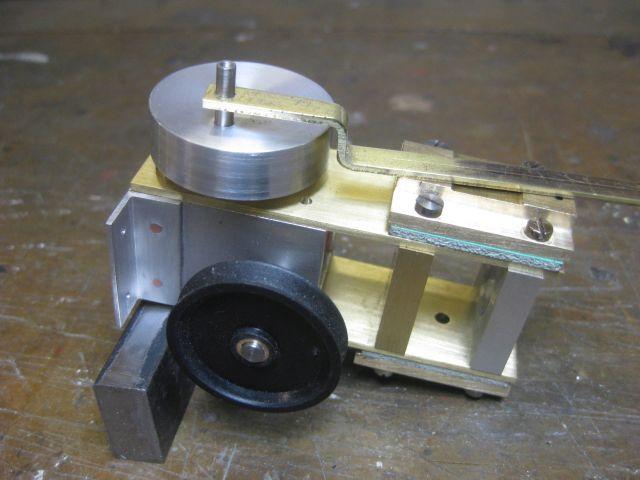
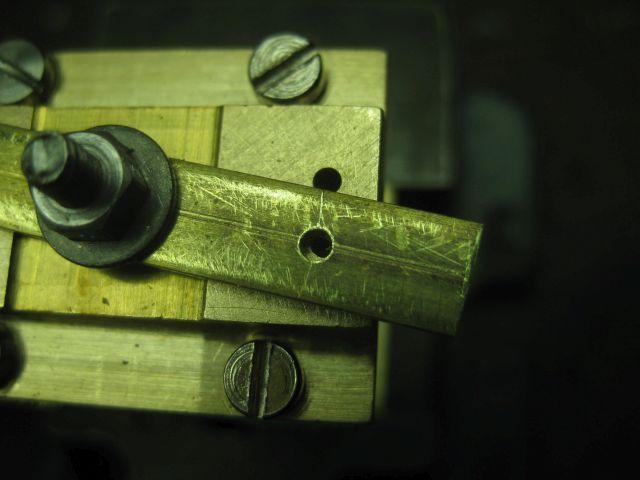
A jig was made and used to fit the crank pins.

Image

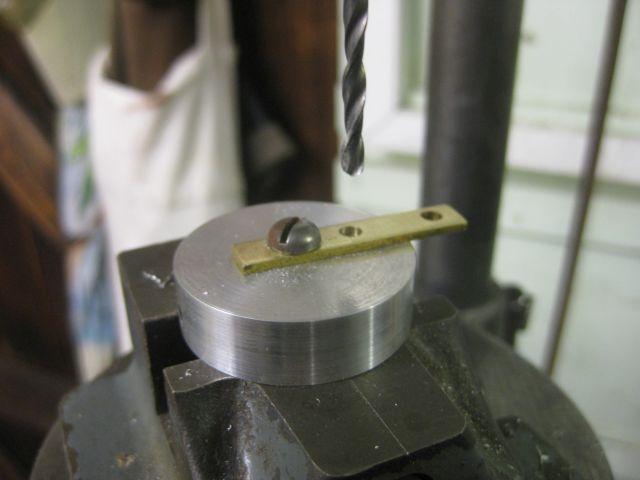
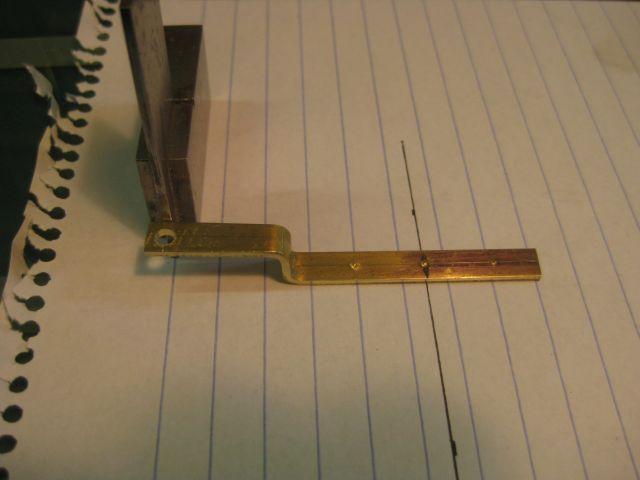
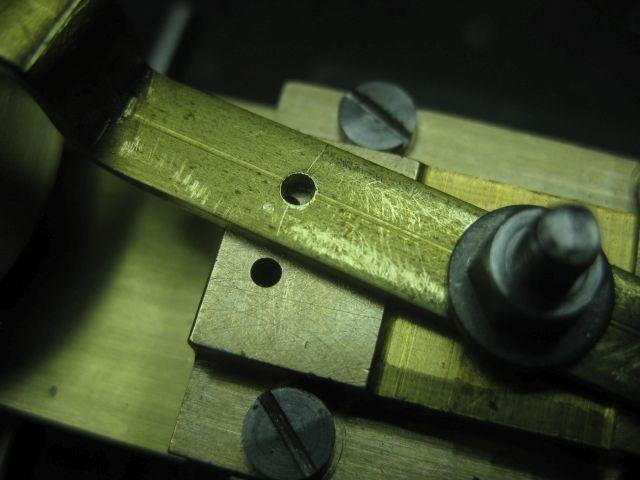
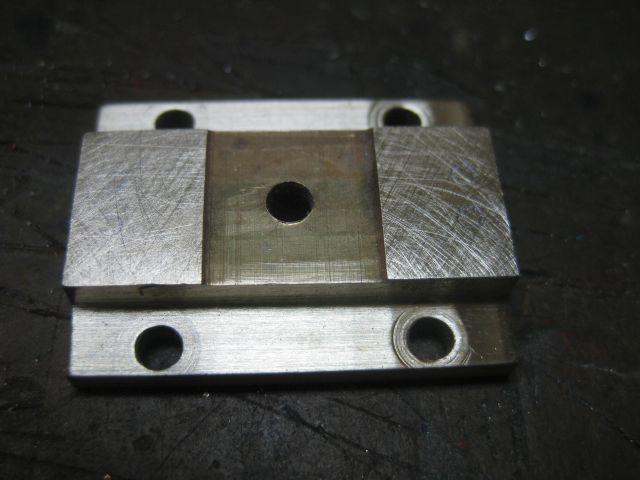
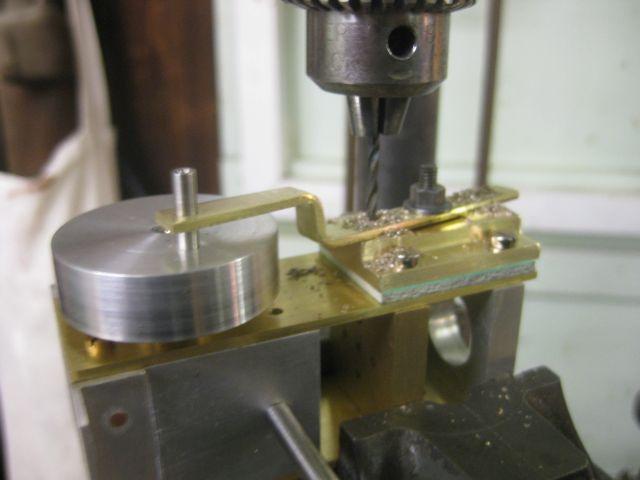
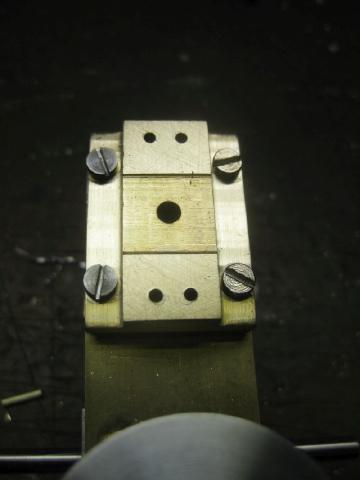
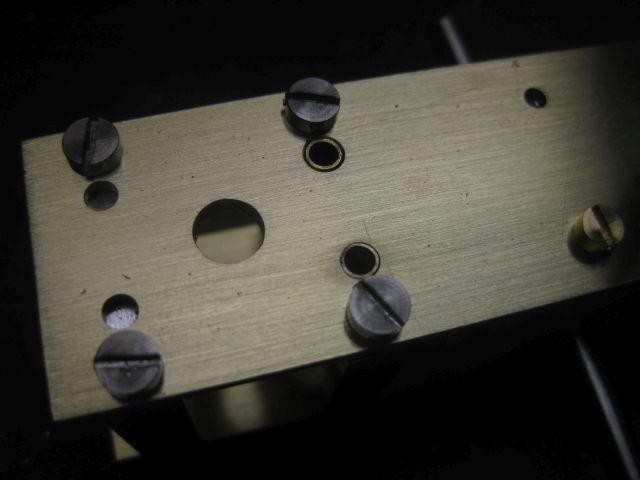
A jig was made to check the positions of the ports in the port block.

Image
Image

The ports were found to be somewhat out!

Image
Image

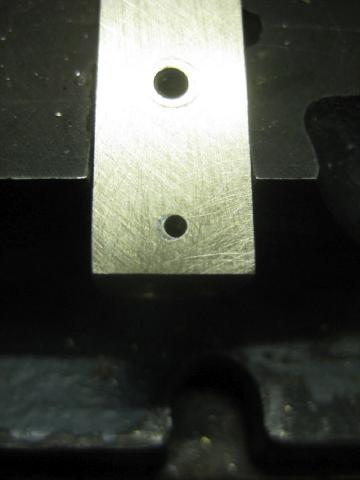
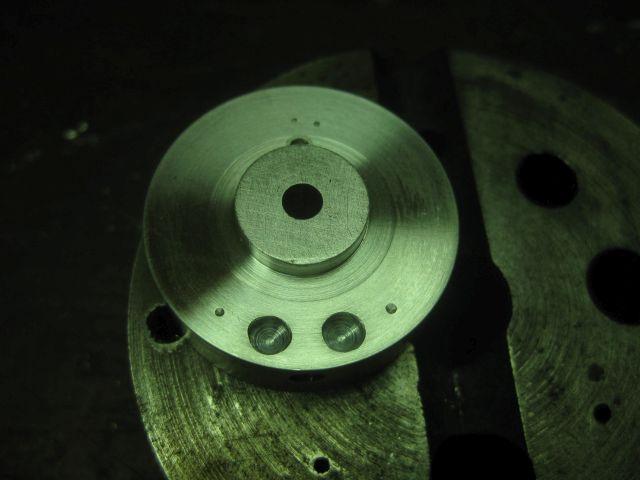
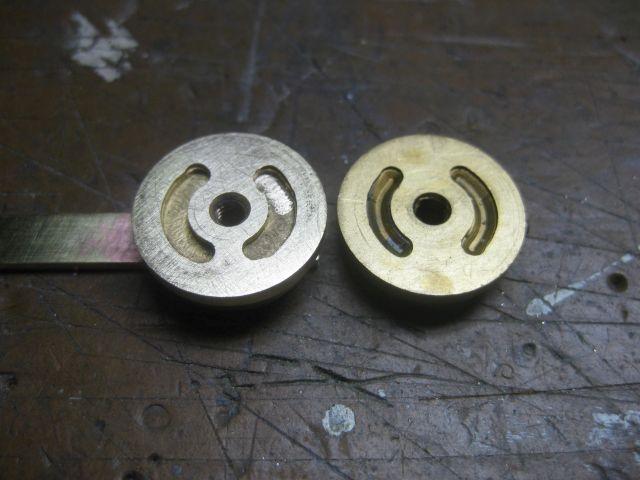
The ports in the port block were filled in and cleaned up before drilling using the jig.

Image
Image
Image
Image

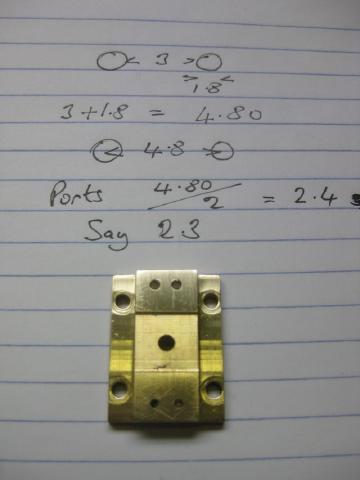
The holes drilled 1.8 mm were much undersized so some sums were down to find out that 2.3 mm ports would be good.

Image

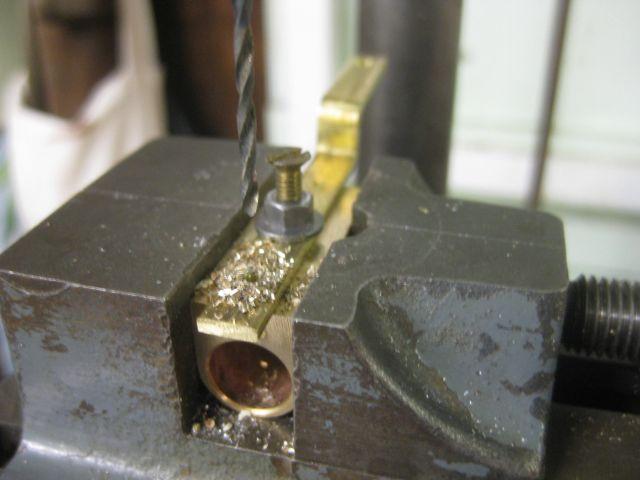
The jig was also used to drill new ports in the cylinder.

Image
Image

The reworked cylinders and some original cylinders. The distance between the ports on the new cylinders was measured and it was found that ports in the cylinder could be drilled to 2.5 mm.

Image

The '0' ring on the piston was way too tight so it was removed and replaced with PTFE tape.

Image
Image
Image

If was also found that the trunnion spring was far to tight so it was shortened. Another problem was that the piston didn't stop at equal distances from the cylinder covers. At one end it had 2 mm travel and at the other 6 mm. So the piston rod was shortened by 2 mm giving an equal 4 mm clearance.

Image
Image

The engine at the end of the day, should get the other engine into the same condition tomorrow.

Image

Regards Tony.

User avatar
Tony Bird
Trainee Driver
Trainee Driver
Posts: 601
Joined: Thu Jul 29, 2010 8:25 am
Location: Cardiff, South Wales, UK.

Post by Tony Bird » Tue Dec 13, 2016 5:11 pm

Hi,

The second engine is now in the same condition as the first.

The rear of the cylinder port block before and after.

Image
Image

The seal has been improved between the reversing block and the frames.

Image
Image

The flywheels have been balanced by pushing lead disc into holes drilled in them and then drilling part of the lead away to get a balance.

Image
Image

The engine at the end of the day.

Image
Image

The Mamod reversing valve needs to be modified and fitted then the engine can be tested.

Regards Tony.

User avatar
LNR
Driver
Driver
Posts: 1886
Joined: Sat Feb 27, 2016 5:26 am
Location: Melbourne, Australia

Post by LNR » Tue Dec 13, 2016 11:19 pm

Interested to see that you too balance flywheels Tony. I've always felt it adds enormously to smooth operation, as most model engines are run at fairly high speeds.
Grant.

11thHour
Trainee Fireman
Trainee Fireman
Posts: 117
Joined: Mon Mar 26, 2012 4:00 am
Location: Wodonga, Vic. Land of Oz

Post by 11thHour » Wed Dec 14, 2016 3:09 am

Really interesting thread Tony.

We take so much at face value when purchasing from commercial suppliers, although to be fair to Mamod, you did mention at the start some of the original parts came from aftermarket suppliers?

Tim

User avatar
Tony Bird
Trainee Driver
Trainee Driver
Posts: 601
Joined: Thu Jul 29, 2010 8:25 am
Location: Cardiff, South Wales, UK.

Post by Tony Bird » Thu Dec 15, 2016 11:11 am

Hi,

Then engine was finished yesterday and as was thought it is too powerful for the hull in might have been used in.

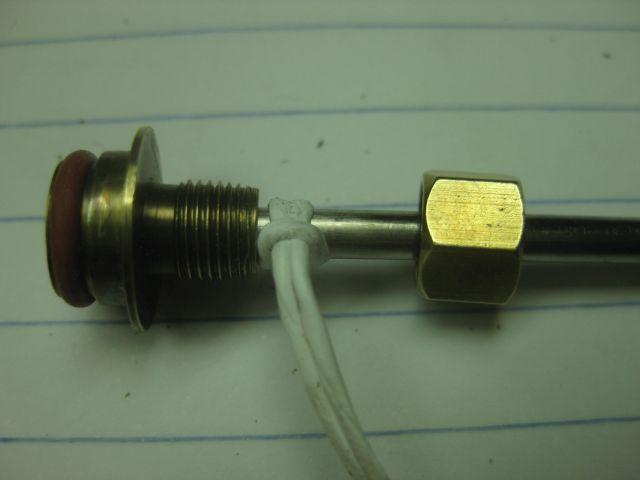
The reversing block was finished and steam and exhaust pipes fitted.

Image

The reversing valve was altered so the the exhaust port opened before the steam.

Image

With the engine finished it was found than the aluminium flywheels were too light to allow smooth slow running so one was replaced with one made in brass.

Image
ImageImageImage

The video running on air. At 10 psi you cannot stop the output shaft using your fingers.

https://youtu.be/fX0D1Z7rF8A

A new engine with smaller volume cylinders will have to be made.

Hi Tim,

The main faults with the unmodified engines were the too tight '0' ring on the piston rod and the far too strong spring on the trunnion, if these had been correct then the engines should have run.  Making larger ports in the right place and shortening the trunnion thread would improve the engines performance.

Eight more cylinders to go!

Regards Tony.
Post Reply

Who is online

Users browsing this forum: No registered users and 13 guests